How to Draw a Gun: Essential Firearm Handling, Holster Safety, and Responsible Practices
How to handle your firearm safely and draw with precision—discover the essential practices that could save lives and enhance your confidence.
Did you know that nearly 60% of firearm accidents occur during the handling of a gun? Understanding how to draw your firearm safely is crucial in preventing such incidents. It’s not just about speed; it’s about precision and awareness. With the right techniques and practices, you can enhance your confidence and safety. So, what are the key steps you need to master for a responsible draw?
Understanding Firearm Safety Basics
When it comes to drawing a gun, understanding firearm safety basics is crucial. Always treat every firearm as if it’s loaded, even if you believe it’s not.
Keep your finger off the trigger until you’re ready to shoot. This simple rule can prevent accidents. Make sure you’re aware of your surroundings before you draw; identify your target and what’s beyond it.
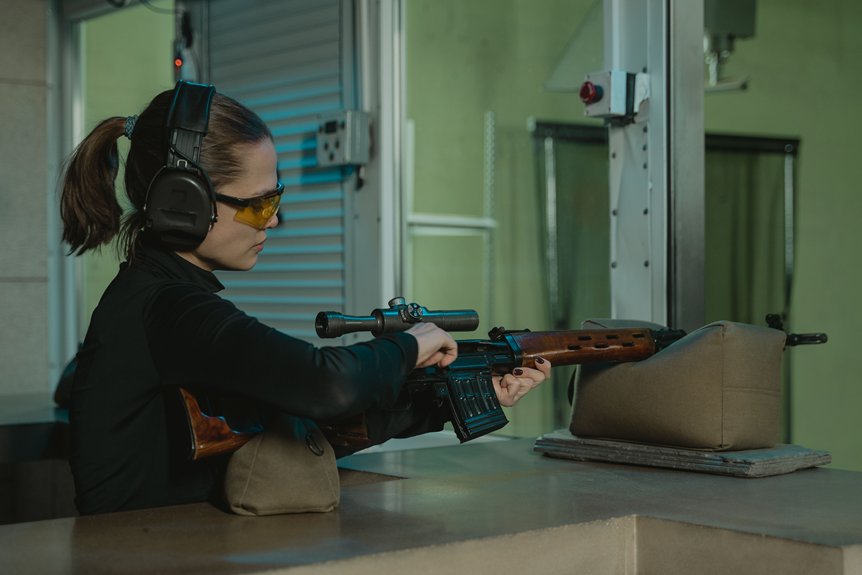
Store your firearm safely and securely when not in use, ensuring unauthorized persons can’t access it. Always wear appropriate eye and ear protection during practice.
Lastly, familiarize yourself with your specific firearm’s operation and safety features. Mastering these fundamentals not only protects you but also promotes responsible gun ownership.
Always prioritize safety in every situation.
Choosing the Right Holster for Your Gun
How do you choose the right holster for your gun? Start by considering how you plan to carry it—inside the waistband (IWB), outside the waistband (OWB), or in a shoulder holster. Each type offers different levels of comfort and accessibility.
Next, think about your firearm’s size and shape; a snug fit is crucial for safety. Materials matter too—leather, kydex, and nylon all have their pros and cons.
Look for features like retention systems and adjustable cant to enhance security and draw speed. Don’t forget to factor in your clothing style and lifestyle.
Ultimately, trying out a few options may be the best way to find the holster that feels right for you.
Proper Grip Techniques for Safe Gun Drawing
Selecting the right holster sets the stage for your overall gun handling, but mastering proper grip techniques is vital for a safe and efficient draw.
Start by ensuring your dominant hand is ready, fingers extended and relaxed. Grip the gun firmly, wrapping your fingers around the handle and placing your thumb on the opposite side for stability. Keep your trigger finger outside the trigger guard until you’re ready to shoot.
As you draw, maintain a high grip on the gun to minimize movement and improve control. Use your non-dominant hand to support the draw, bringing it up to assist in stabilizing the firearm.
Practice these techniques regularly to build muscle memory and enhance your confidence when drawing your weapon.
Why Situational Awareness Matters?
Situational awareness is your first line of defense in any environment, especially when it comes to handling firearms. It means being aware of your surroundings, understanding potential threats, and recognizing how they could impact your safety.
When you stay alert, you can identify dangerous situations before they escalate. This awareness helps you make informed decisions about when to draw your gun or seek cover.
Being situationally aware also allows you to assess the behavior of others. Are they acting suspiciously? Do they pose a risk?
By maintaining focus on your environment, you enhance your ability to respond appropriately. Ultimately, situational awareness is crucial for ensuring not just your safety, but also that of those around you.
Always stay vigilant.
How to Draw Your Gun Safely: A Step-by-Step Guide
Drawing your gun safely is crucial for both your safety and that of others around you. Start by ensuring your environment is clear; check for any potential threats or obstacles.
Next, maintain a firm grip on your holster while keeping the gun pointed downrange. With your dominant hand, draw the weapon smoothly, avoiding any jerky movements.
As you lift the gun, use your non-dominant hand to support it, ensuring proper control. Keep your finger off the trigger until you’re ready to fire.
Finally, adopt a stable shooting stance to prepare for accurate aim. Practicing these steps consistently will help reinforce safe habits and build your confidence in a real-world situation.
Always prioritize safety above all else.
Effective Drills to Improve Your Draw Technique
Once you’ve mastered safe drawing techniques, it’s time to focus on drills that can enhance your speed and accuracy.
Start with the “Slow Draw” drill; draw your firearm slowly while concentrating on each movement. Gradually increase your speed as you become more comfortable.
Next, try the “One-Handed Draw” drill, using both your dominant and non-dominant hands to improve versatility.
Incorporate “Draw and Fire” drills to practice your shot placement immediately after drawing.
Lastly, set up a timer to track your progress and challenge yourself to improve.
These drills not only build muscle memory but also boost your confidence in high-pressure situations.
Consistent practice will lead to quicker, more controlled draws.
Common Mistakes to Avoid When Drawing Your Gun
When it comes to drawing your gun, avoiding common mistakes can make a significant difference in your performance and safety.
First, don’t rush the process; hasty movements can lead to misfires or accidents. Always keep your finger off the trigger until you’re ready to fire. Neglecting proper grip can also hinder your control, so ensure you’ve got a solid hold before drawing.
Additionally, avoid looking at your holster while drawing; this can disrupt your focus on the threat.
Lastly, don’t forget to practice your draw consistently in various scenarios. Familiarity breeds confidence, helping you react smoothly in high-pressure situations.
Maintaining Your Firearm for Peak Performance
To ensure your firearm operates at its best, regular maintenance is key. Start by cleaning your gun after each use; debris and residue can hinder performance.
Use a quality cleaning kit to scrub the barrel, chamber, and all moving parts. Don’t forget to lubricate the necessary components, as this minimizes friction and wear.
Check for rust or corrosion, particularly in humid environments, and address any issues immediately. Regularly inspect your magazine for proper function and replace worn springs.
Lastly, keep an eye on your sights and ensure they’re properly aligned. By committing to routine maintenance, you’ll enhance reliability and ensure your firearm is always ready when you need it most.
Stay proactive, and your firearm will reward you with peak performance.
Legal Aspects of Carrying and Drawing a Gun
Understanding the legal aspects of carrying and drawing a gun is crucial for any responsible firearm owner. You need to familiarize yourself with local laws regarding concealed carry, open carry, and self-defense.
Each state has different regulations, so make sure you know what’s legal where you live.
When it comes to drawing your weapon, the justification for use is key. You must be able to demonstrate a reasonable belief that your life or others’ lives are in imminent danger.
Training in legal use of force can help you navigate these situations confidently. Always keep in mind that ignorance of the law isn’t an excuse; staying informed protects not just you, but those around you.
Stay safe and responsible.